
Autism
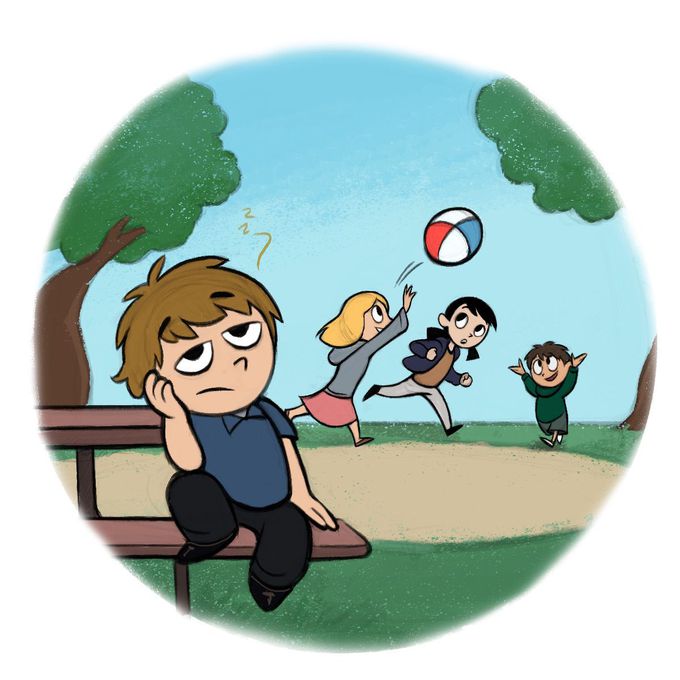
🚩 Autism is a developmental disorder characterized by difficulties with social interaction and communication and by restricted and repetitive behavior.Parents usually notice signs during the first two or three years of their child's life.These signs often develop gradually, though some children with autism reach their developmental milestones at a normal pace before worsening. “ 🔴 Causes 1-Idiopathic (80% of cases) 2-Genetic predisposition contributes to 50% of patients 3-Multifactorial (numerous mutations) 🚩 Gender predominance: Males by 2 to 4:5 ratio 💢 Autism Spectrum Disorders (encompasses 4 previously separate diagnoses) 1-Autistic disorder (classic childhood Autism) Unlikely to function independently as adults 2-Asperger Disorder Social deficits, narrow interests and clumsiness IQ exceeds 70 3-Disintegrative Disorder Normal development until age 2 to 10 years Sudden and dramatic regression Affects social, verbal and cognitive skills 4-Permanent deficits Pervasive Developmental Delay (PDD), not otherwise specified 🔺 The main goals when treating children with autism are to lessen associated deficits and family distress, and to increase quality of life and functional independence. In general, higher IQs are correlated with greater responsiveness to treatment and improved treatment outcomes.No single treatment is best and treatment is typically tailored to the child's needs.Families and the educational system are the main resources for treatment