
Causes of stroke
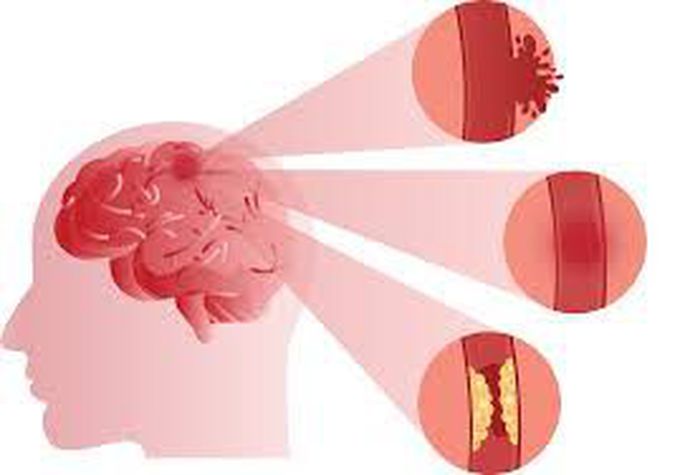
Causes There are two main causes of stroke: a blocked artery (ischemic stroke) or leaking or bursting of a blood vessel (hemorrhagic stroke). Some people may have only a temporary disruption of blood flow to the brain, known as a transient ischemic attack (TIA), that doesn't cause lasting symptoms. Ischemic stroke Ischemic stroke Ischemic strokeEnlarge image This is the most common type of stroke. It happens when the brain's blood vessels become narrowed or blocked, causing severely reduced blood flow (ischemia). Blocked or narrowed blood vessels are caused by fatty deposits that build up in blood vessels or by blood clots or other debris that travel through the bloodstream, most often from the heart, and lodge in the blood vessels in the brain. Some initial research shows that COVID-19 infection may increase the risk of ischemic stroke, but more study is needed. Hemorrhagic stroke Hemorrhagic stroke occurs when a blood vessel in the brain leaks or ruptures. Brain hemorrhages can result from many conditions that affect the blood vessels. Factors related to hemorrhagic stroke include: Uncontrolled high blood pressure Overtreatment with blood thinners (anticoagulants) Bulges at weak spots in your blood vessel walls (aneurysms) Trauma (such as a car accident) Protein deposits in blood vessel walls that lead to weakness in the vessel wall (cerebral amyloid angiopathy) Ischemic stroke leading to hemorrhage A less common cause of bleeding in the brain is the rupture of an irregular tangle of thin-walled blood vessels (arteriovenous malformation). Transient ischemic attack (TIA) A transient ischemic attack (TIA) — sometimes known as a ministroke — is a temporary period of symptoms similar to those in a stroke. A TIA doesn't cause permanent damage. A TIA is caused by a temporary decrease in blood supply to part of the brain, which may last as little as five minutes. Like an ischemic stroke, a TIA occurs when a clot or debris reduces or blocks blood flow to part of the nervous system. Seek emergency care even if you think you've had a TIA because your symptoms got better. It's not possible to tell if you're having a stroke or TIA based only on the symptoms. If you've had a TIA, it means you may have a partially blocked or narrowed artery leading to the brain. Having a TIA increases your risk of having a full-blown stroke later.