

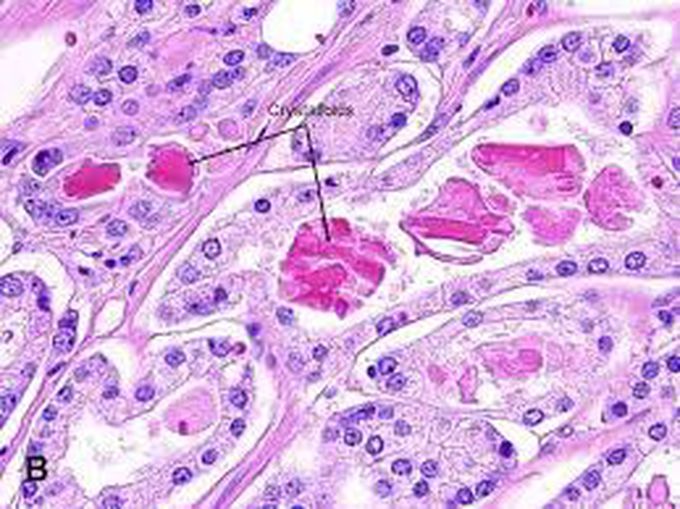
Treatment for prostatic adenocarcinoma
Treatment Your prostate cancer treatment options depend on several factors, such as how fast your cancer is growing, whether it has spread and your overall health, as well as the potential benefits or side effects of the treatment. Immediate treatment may not be necessary Low-grade prostate cancer may not need treatment right away. For some, treatment may never be needed. Instead, doctors sometimes recommend active surveillance. In active surveillance, regular follow-up blood tests, rectal exams and prostate biopsies may be performed to monitor progression of your cancer. If tests show your cancer is progressing, you may opt for a prostate cancer treatment such as surgery or radiation. Active surveillance may be an option for cancer that isn't causing symptoms, is expected to grow very slowly and is confined to a small area of the prostate. Active surveillance may also be considered for someone who has another serious health condition or who is of an advanced age that makes cancer treatment more difficult. Surgery to remove the prostate Location of incisions for open prostatectomy compared with robotic prostatectomy Prostatectomy incisionsOpen pop-up dialog box Surgery for prostate cancer involves removing the prostate gland (radical prostatectomy), some surrounding tissue and a few lymph nodes. Surgery is an option for treating cancer that's confined to the prostate. It's sometimes used to treat advanced prostate cancer in combination with other treatments. To access the prostate, surgeons may use a technique that involves: Making several small incisions in your abdomen. During robot-assisted laparoscopic prostatectomy, surgical instruments are attached to a mechanical device (robot) and inserted through several small incisions in your abdomen. The surgeon sits at a console and uses hand controls to guide the robot to move the instruments. Most prostate cancer operations are done using this technique. Making one long incision in your abdomen. During retropubic surgery, the surgeon makes one long incision in your lower abdomen to access and remove the prostate gland. This approach is much less common, but may be necessary in certain situations.